
Why Funded Contentment is True Wealth
 Spending Wisely
Why Funded Contentment is True Wealth
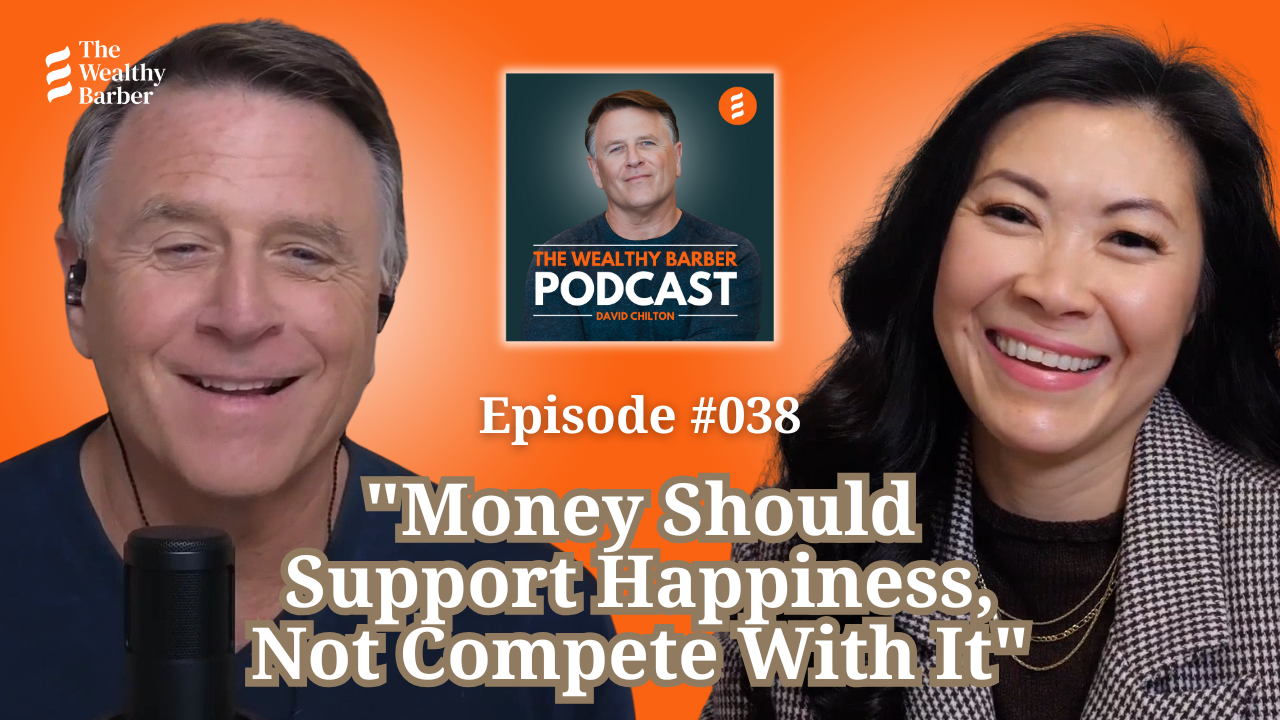
What does it really mean to be wealthy? Brian Portnoy explains his concept of “funded contentment” — starting with what makes life meaningful, then figuring out how money can support it.
💈💈💈
The other fork is true wealth. Now, the term that I coined is funded contentment, the idea that true wealth is the ability to underwrite a life that’s meaningful to you. However you define that and however you choose or are compelled to update that in the years and decades to come through life’s up and downs.
So funded contentment is the ability to underwrite a meaningful life. What I’d encourage people to think about is that funded contentment isn’t just a concept, it’s a tool, it’s a process. It’s a Swiss Army knife with two blades, funded and contentment. But unlike the way we’re typically taught to think about money, we talk about money second, not first.
We start on the contentment side. What is really driving, uh, joy and contentment for us? I don’t mean sort of just being in a good mood on any particular day. That, that’s relevant, that’s sort of an experienced happiness. But that more reflective step back when Dave, you or me or all the people we know say, “Is this the life I want?
Am I happy with the life that I’m living?” So once you as an individual or a couple or a family think about, “Well, what’s really meaningful to us?”
It’s only then secondly, the discipline is to only then secondly ask, “Can we afford that? What do those things cost? How do I underwrite those things? How do I achieve or get them?” And what we end up learning is that some of the things that drive the most joy and contentment for us are free, and they’re right there, and others are unaffordable and always will be.
And it’s our job, if we really want to achieve funded contentment, to take a little bit of time, and it really could be a walk around the block, the occasional just sitting by yourself on the sofa, uh, with a cup of tea or coffee and just thinking about it, or take a walk with your partner or you know, write in your journal, meditate.
It, it’s free and relatively easy labour to think about, “Well, what’s, what, what’s really meaningful to me?” And then what’s the financial dimension to those? It ends up, what I’ve experienced as that concept has proliferated around the world, it ends up being a relatively, it can be heavy, but it’s a relatively easy exercise for people to truly come to terms with where money fits into a meaningful life.
And last point I’ll make, if you’re a financial advisor, that’s sort of the conversation that most of your clients want to have.
They kinda don’t care much about the stock market or your projections on inflation or other economic data. They’ll engage in that theater with you if that’s the play that you’re putting on. So a lot of economic or financial advice is bad theater where everybody’s playing a role they don’t want to. Good financial advice is when you’re having a real conversation about the things that really matter.
For all of our listeners, uh, I think you’ll agree that was brilliant what he just said. You’ll see why I loved his book, but also you can see how closely he and I are aligned on all of this.
Feel Confident About Your Finances
Sign up for our Weekly Round-Up of new videos and podcasts released over the past seven days. We won’t spam you or try to sell you a course—promise!

 The Fully Updated "The Wealthy Barber" Is Available Now!