
Snowball vs. Avalanche: Which Debt-Payoff Strategy Is Best?
 Debt Management
Snowball vs. Avalanche: Which Debt-Payoff Strategy Is Best?
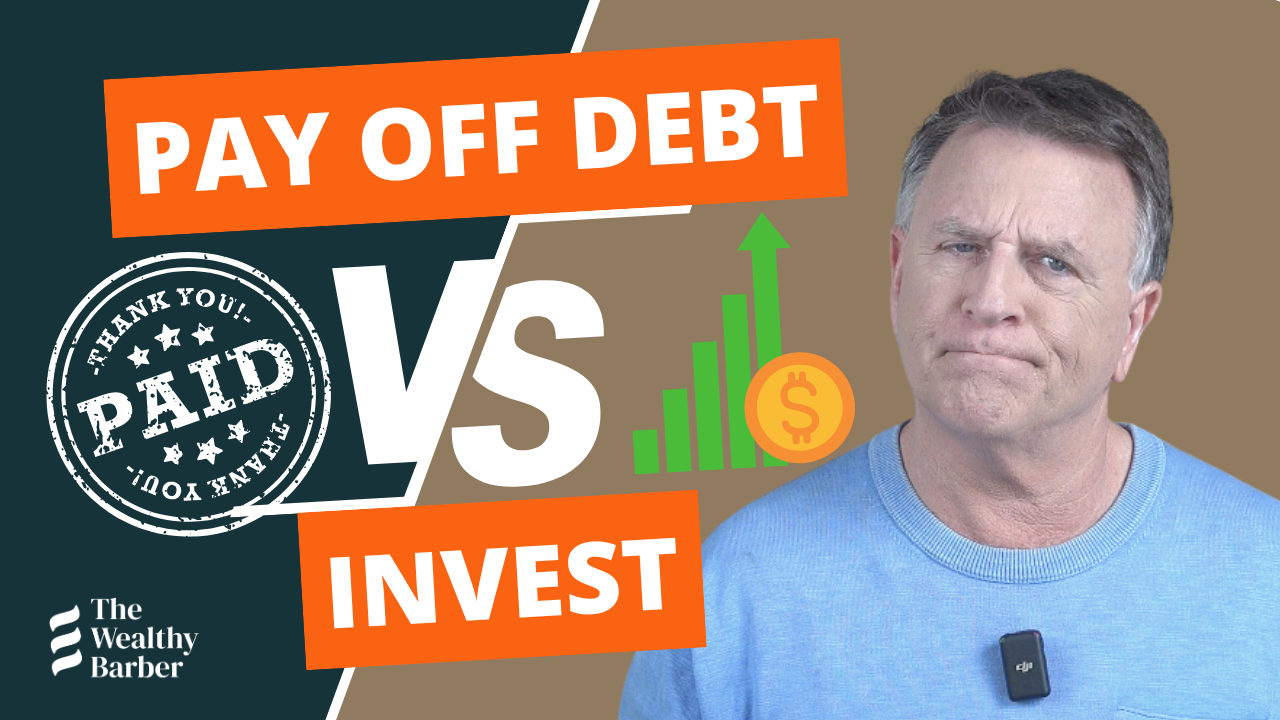
Digging your way out of debt can feel daunting and overwhelming. But there are two main strategies—the snowball method and the avalanche method—to make it easier. Hear which strategy Dave recommends and the wonderful reward that comes from following it to get out of debt.
💈💈💈
I am honestly very excited about putting this video out. I really am. It’s a positive message from the heart. Last week I was watching a back-and-forth between personal finance experts on the merits of the two main strategies people use to pay off consumer debts. The first fellow liked the debt-snowball method, popularized by Dave Ramsey down in the States.
How does it work? Well, you list all your debts from smallest to largest, ignoring interest rates. Then you focus all extra payments on the smallest debt first, making only minimum payments on the rest. Once the smallest is paid off, you move up to the next smallest and wash, rinse and repeat. What’s good about this?
Why did this guy believe in it? The quick wins early build motivation and momentum. The second person preferred the debt-avalanche method — list the debts in order of highest to lowest interest rate. Focus all extra payments on the highest-interest rate debt first, regardless of the balance size. Once that’s gone, move to the next highest rate, et cetera, et cetera. This, obviously, is the mathematically optimal way to go.
You will pay off the total debt burden a bit faster, and of course, save interest costs. Because I’m known as a math-geek type of guy, you’re probably guessing that I’ll push option #2. But I really do get the merits of Dave’s approach. I’ve seen it work. He’s helped a lot of people. The early wins, again, have been crucial to people sticking with their efforts.
Interestingly, we’ve had some people take a hybrid approach. Pay off one small debt first — establish that win — but then go after the highest interest rate debt from that point on. And, of course, sometimes debt-consolidation options are available and advisable. But here’s the bigger point of this video:
Watching this discussion brought back so many memories. Great memories, memories of amazing letters and emails we’ve received at the office over the years from so many people who’ve overcome extreme debt issues. Mo will agree that these are many of our most uplifting stories. People who thought, “There’s no way I can do this.
I can’t get out from underneath.” People who had to, in essence, somehow flip a switch and go from living beyond their means to living beneath their means. And they did it. The pride that people have had over this truly tremendous achievement has literally brought a tear to my eye more than a few times.
Even just thinking back as I say this, hey, I get it. Dave Ramsey really is onto something. Early momentum is incredibly motivating. So many times we saw people struggle to make the adjustments early on, but then find their way somehow. Heck, often not just find their way, but end up loving the journey. And, wow, did getting rid of these significant-relative-to-income debts ever jumpstart their financial-planning processes.
A disproportionate percentage of these people ended up handling the rest of their money management quite well going forward. We still to this day, hear from many of them with encouraging updates. Look, having a lot of consumer debt can truly feel suffocating, no doubt. And sadly, sometimes with the challenges that life throws at you, like an extended illness or a job loss, it can be too much.
But geez, we’ve met a lot of people who have successfully climbed out of deep holes. A remarkable achievement again that many have built upon.
Feel Confident About Your Finances
Sign up for our Weekly Round-Up of new videos and podcasts released over the past seven days. We won’t spam you or try to sell you a course—promise!

 The Fully Updated "The Wealthy Barber" Is Available Now!