
Should You Pay Attention to the Stock Market?
 Investing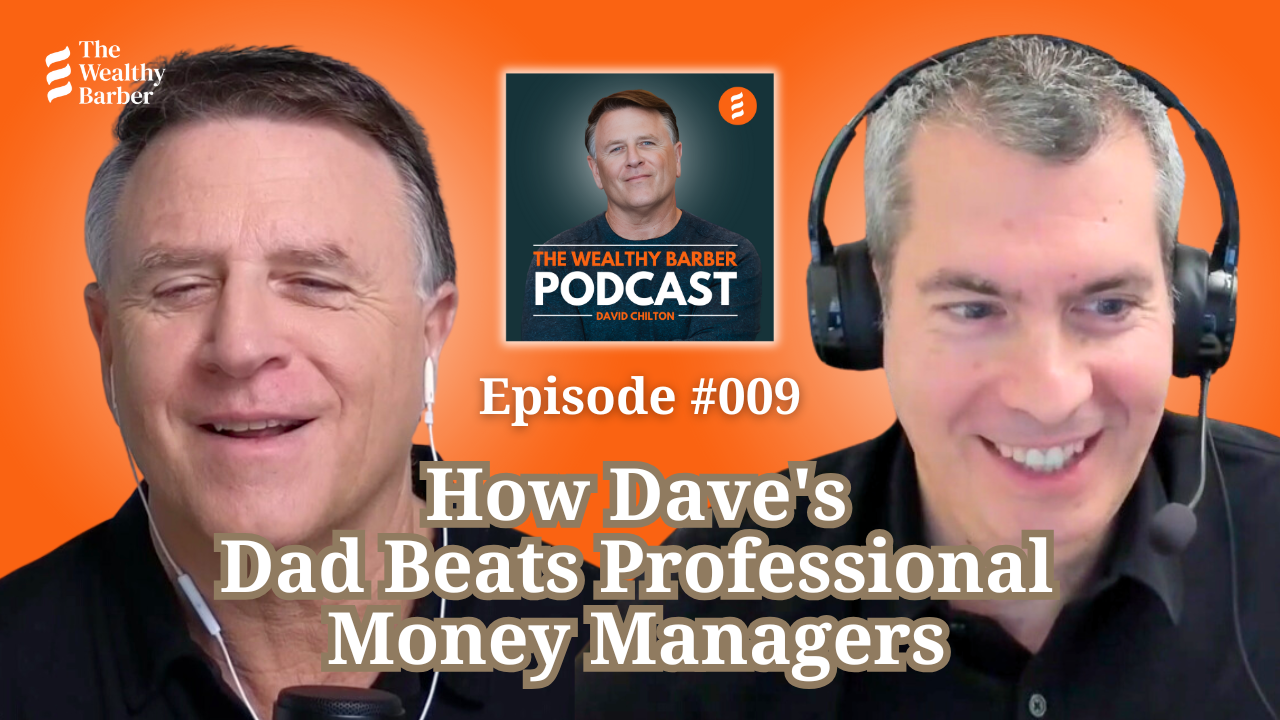
Should You Pay Attention to the Stock Market?
Dave argues for index investing and ignoring the noise. Amber Kanwar explains where she agrees — and where she doesn’t.
💈💈💈
I tend to believe that for the vast majority of Canadians, they are better just to use broad-based index funds, basically take the entire market in and pay no attention. In fact, I think they pay a price for paying attention.
They often get too emotionally involved, or they think they can outperform. They get pulled in by narratives and make investments that usually don’t turn out too, too well. I think the best investor I know is my father who pays zero attention whatsoever. In fact, he has dementia. And that’s made him even better because now he can’t pay attention very effectively. And so you on the other hand tend to think that people may be able to outperform if you get the right information about specific stocks, et cetera.
Walk me through why you believe that and why you think I’m off.
So I, I don’t think you’re off. I think there’s, let’s start with, you know, it’s very Canadian. Let’s start with what we agree on. I agree with you. I think that and I see it in my own podcast, like one of the most popular episodes that we’ve ever done was with this US fund manager who says, you know, that the market, these tech stocks are gonna implode 50%.
And that episode went viral. And I track all of my man, my managers, and I say, you know, this guy did not outperform and I wasn’t there to kind of give him a platform. If you listen to that episode, like I stress test these ideas and I want people to
form their own opinion about it and to hear counteracts because those people are very loud and they don’t necessarily have the viewers or the listener’s best interest at heart. And to your point, I think yes, generally index investing a big chunk of it, that’s, that’s kind of the right way. Warren Buffet says it’s the right way. The math says it’s the right way. But I don’t agree with you in the sense that you should remain ignorant on what is going on in the markets.
I like it. It, and I think you’re using ignorance as a form of discipline, right? If you just don’t know, then that’s your discipline. I think you can be disciplined and informed, right? Uh, and the reason I think in information is very important is because you know that there are a lot of people in this industry
who aren’t, you know, savoury characters and will put you in things that you might not understand. I liken it to kind of eating versus nutrition. I think financial planning is like eating. We all have to do it right. And then you can decide if you wanna know a little bit about what you’re eating, if you wanna know the nutritional value and, and kind of bone up on that.
And that’s kind of what the investing piece is. Um. And not to say we don’t have fun. I, there’s a, there’s a slice of my portfolio that I reserve for like potential 10 baggers and I’ve made huge mistakes and we can talk about meme trading and all of that. I’m very open about it.
Um, but I think it’s also important to make those mistakes with a little amount of money early in your career so that when you get to retirement age or, or a big capital spending requirement, um, you’re ready.
Feel Confident About Your Finances
Sign up for our Weekly Round-Up of new videos and podcasts released over the past seven days. We won’t spam you or try to sell you a course—promise!

 The Fully Updated "The Wealthy Barber" Is Available Now!