
Real Estate Investing 101
 Investing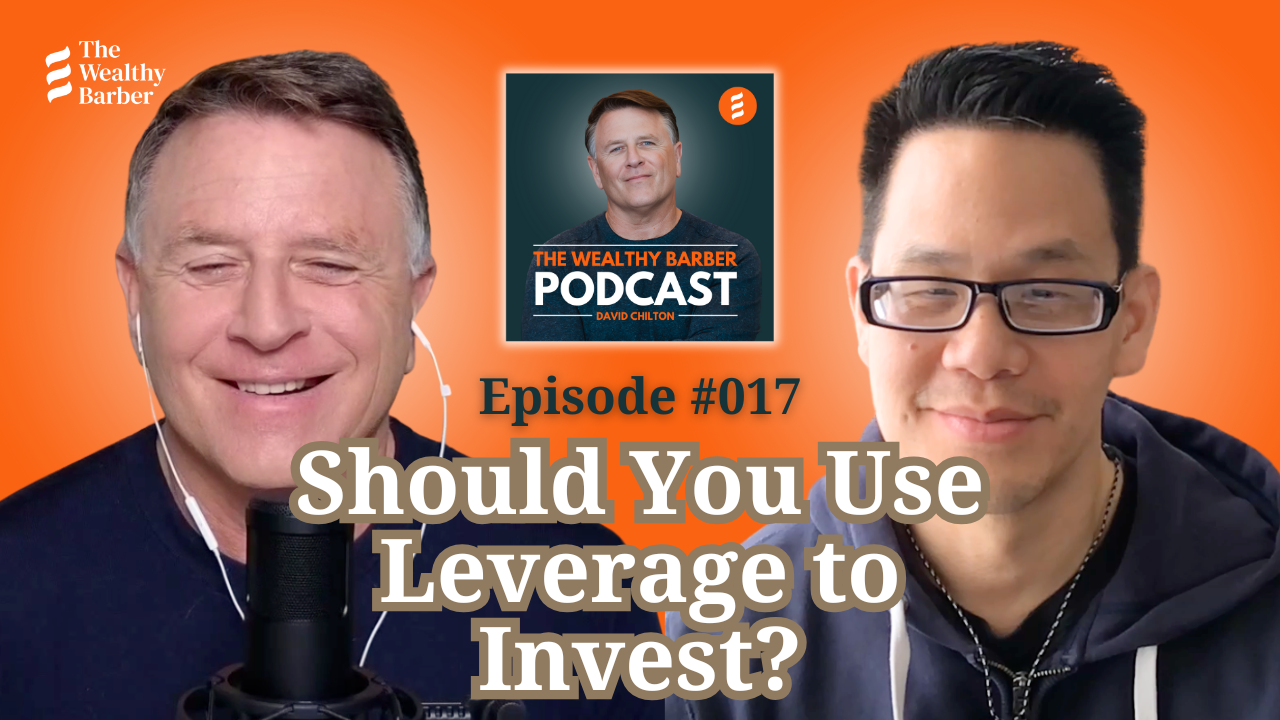

Real Estate Investing 101
In this clip, Jim Chuong explains some of the basic math behind real estate investing and why he stopped buying more properties. When the returns no longer justified the equity tied up, he pivoted. It’s not about emotion, it’s about opportunity cost.
💈💈💈
The stock market bottomed around 2009 before it shot up. What happened with real estate, it continued to go down and it bottomed around the beginning of 2012 and then, unevenly started to ratchet up.
Right.
As Arizona became not attractive, I moved to Tennessee where the prices were, where the prices and the numbers still made sense relative to the stock market. Continued there for a couple more years before that again, also recovered. And then once that was taken out of my hands, um, then it was back to uh, my normal routine.
That’s interesting. So you walked away from real estate at that point, didn’t feel it offered you the same value proposition that it did in those markets. Did you keep the properties you purchased though? Have you held those throughout the years? You must be earning great positive cash flow on them, obviously with those low purchase prices.
Yeah, at the low purchase prices, for those who are not involved in real estate, so the initial purchase price is gonna be the highest earnings yield or operating yield that you’re gonna get because you know your purchase price is so low. But as things appreciate, everything’s associated with the assessment value of the property.
That’s right.
Talking about the taxes, the insurance, all the costs go up regularly. And then as the appreciation goes higher, you have all this built in equity. So then the rent does not grow that quickly.
As fast. Yeah. Yeah.
This is another negative of real estate is that unlike a business where you can add a new product line, go into new geography and increase your revenue.
Rents pretty much grow at a very predictable rate out outside of the bottom of the credit crisis. So your revenue is not gonna double or triple or 30%, you know, maybe in the first few years it’ll just go up by maybe a bit better than inflation, then your cost will catch up. And then on top, as the equity grows, the yield on that equity becomes like worth less. Not, not enough for me to sell. Right. But, uh, yeah, it’s good cash flow in general, but relative to the equity employed, you know, I’m waiting for, again, the better opportunity cost.
Feel Confident About Your Finances
Sign up for our Weekly Round-Up of new videos and podcasts released over the past seven days. We won’t spam you or try to sell you a course—promise!

 The Fully Updated "The Wealthy Barber" Is Available Now!