Seven Online Habits That Quietly Increase Your Monthly Spending

Most people assume that financial setbacks come from major purchases. In reality, monthly budgets are often affected by a series of small transactions that seem insignificant on their own.

A few dollars spent here and there on subscriptions, food delivery, online entertainment, or mobile apps may not feel like much at the time. However, when these expenses repeat throughout the month, they can gradually reduce the amount available for savings and other financial goals.

The good news is that you do not need to eliminate every convenience or source of entertainment. The key is identifying which habits deserve attention and setting reasonable limits before they become expensive routines.


Why Small Digital Expenses Are Easy to Overlook

Digital spending has become almost invisible.

Unlike cash purchases, online transactions happen with minimal effort. Payments are completed in seconds, subscriptions renew automatically, and stored payment details remove most of the friction that once encouraged people to think twice before spending. As explored by The New York Times, our modern digital habits are deliberately engineered to make friction-free spending the default behavior.

Because individual charges are often small, they rarely attract attention. A C$5 subscription or a C$10 purchase may seem harmless. Yet several recurring transactions can easily add hundreds of dollars to monthly expenses. Interestingly, this shift toward continuous online consumption spans all generations; an analysis by The Economist shows that even the elderly are becoming major screen addicts, driven by digital commerce and entertainment platforms.

This is why reviewing spending over multiple months is more effective than analyzing a single statement. One month may reveal isolated purchases, while three months usually expose recurring patterns.
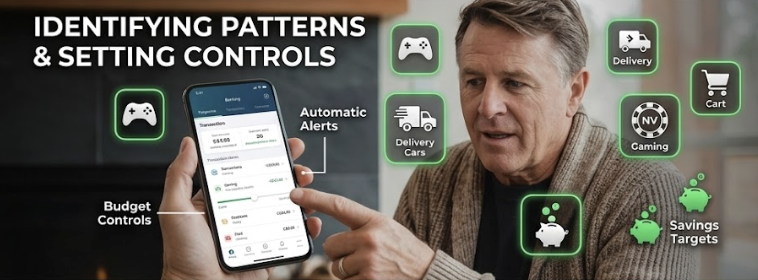
Seven Online Habits Worth Reviewing

Not every online expense is a problem. However, these seven categories are among the most common sources of unnecessary spending.

1. Streaming Services

Many households subscribe to multiple streaming platforms but regularly use only one or two.

Review subscriptions every few months and remove services that are no longer providing value. Rotating subscriptions throughout the year can often reduce costs without affecting entertainment options.

2. Cloud Storage and Software Subscriptions

Cloud storage plans, productivity tools, photo-editing software, and other digital services can quietly accumulate over time.

Consider whether multiple subscriptions serve the same purpose. In many cases, one family plan or bundled service can replace several separate accounts.

3. In-App Purchases and Mobile Games

Mobile games are designed to encourage small, frequent purchases. While individual transactions may be inexpensive, repeated spending can become significant over time.

Disabling automatic purchases and requiring manual approval for every transaction helps create a useful pause before spending occurs.

4. Online Gaming and Entertainment Platforms

Online gaming can be an enjoyable form of entertainment when it remains within a planned budget.

Many regulated platforms provide responsible gaming features that allow users to establish spending boundaries before they begin playing. NVCasino offers deposit limits and account control tools that help users manage entertainment spending more effectively.

Setting limits in advance is generally more effective than relying on self-control during a session.

5. Food Delivery and Coffee Apps

Convenience often comes with hidden costs. Service fees, delivery charges, and tips can significantly increase the price of meals and beverages purchased through apps.

Monitoring the number of orders each week is often more effective than tracking the total amount spent at the end of the month.

6. Ride-Sharing and Transportation Apps

Ride-sharing services provide flexibility, but frequent use can substantially increase transportation expenses.

Establishing a monthly transportation budget and reserving ride-sharing for situations where public transit is impractical can help reduce costs without sacrificing convenience. In broader terms, managing these day-to-day spending trade-offs is essential; as discussed in the podcast with Mark McGrath, balancing immediate expenses with long-term assets like all-in-one ETFs or housing decisions requires understanding fundamental financial trade-offs.

7. One-Click Online Shopping

Modern e-commerce platforms are designed to remove barriers between browsing and purchasing.

A simple strategy is to place desired items on a wishlist and wait 24 hours before completing the purchase. This brief delay often reduces impulse spending and encourages more intentional buying decisions.


Suggested Monthly Spending Limits

The appropriate spending level depends on income, location, and personal priorities. However, establishing a general guideline can help prevent small expenses from becoming larger financial issues.

HabitSuggested Monthly Range (CAD)
Streaming subscriptionsC$25–C$45
Cloud storage and softwareC$15–C$30
Mobile game purchasesC$0–C$15
Online gaming entertainmentC$50–C$150
Food delivery and coffee appsC$60–C$120
Ride-sharing servicesC$40–C$100
Online shoppingC$50–C$100

These ranges are intended as starting points rather than strict rules. The objective is not to eliminate spending but to ensure it remains aligned with personal financial goals.

How to Identify Spending Patterns

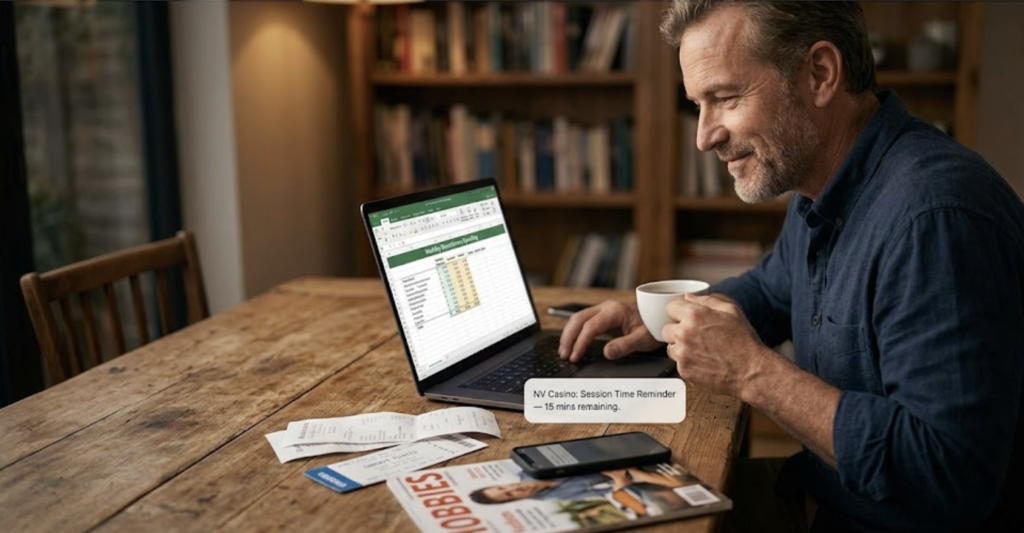
One of the most effective exercises is to review the previous two or three months of account statements.

Look for merchants that appear repeatedly. Recurring transactions often reveal habits that have become automatic. While cleaning up your immediate subscription list secures your monthly flow, looking at long-term financial structures is equally important; for instance, the podcast with Daniel Glazier explores how structural steps like property appraisals can prevent significant long-term conflicts and financial losses over your estate.

Many banking apps now categorize subscriptions and recurring payments automatically, making it easier to identify spending trends. Creating a simple monthly tracker with spending categories and target limits can provide additional visibility. These micro-habits and personal choices are heavily contextualized by the broader economic climate, which is further detailed in the podcast with Benjamin Tal on the current state of Canada’s economy and housing market in 2026.

The goal is not perfection. Small adjustments made consistently are often more effective than dramatic budget changes that are difficult to maintain.

Focus on Sustainable Spending Habits

Financial progress rarely comes from eliminating every non-essential purchase. Instead, it comes from making conscious decisions about where money goes.

Rather than attempting to cut every expense at once, start by identifying the two or three habits that have the greatest impact on your monthly spending. Establish realistic limits, review them regularly, and adjust when necessary.

Over time, these small changes can free up more money for savings while still allowing room for entertainment, convenience, and the activities you enjoy.
Enjoying Discretionary Spending Without Compromising Your Savings Goals

Saving money is often associated with cutting back and saying no to enjoyable experiences. In reality, long-term financial success is rarely determined by a single large purchase. More often, it is shaped by everyday spending habits that gradually influence how much money remains available for savings.

Discretionary spending plays an important role in maintaining a balanced lifestyle. Whether it involves dining out, entertainment, hobbies, subscriptions, or recreational activities, spending on personal interests can improve well-being and make financial plans easier to sustain. The challenge lies in ensuring these expenses support, rather than undermine, long-term financial goals.


Understanding the Impact of Discretionary Spending

Unlike fixed expenses such as rent, mortgage payments, insurance, or utilities, discretionary purchases are flexible and often spontaneous. Because individual transactions tend to be relatively small, they frequently go unnoticed within a monthly budget.

However, small expenses can accumulate quickly. A few streaming subscriptions, several restaurant meals, and occasional impulse purchases may seem insignificant on their own, yet together they can represent hundreds of dollars each month.

This does not mean discretionary spending should be eliminated. Instead, it should be managed intentionally. Understanding where money goes is often the first step toward maintaining a healthy balance between enjoying the present and preparing for the future.

Common Categories That Affect Savings

Every household has different priorities, but certain categories consistently account for a large share of discretionary spending.

These often include:

  • Dining out and food delivery services
  • Streaming platforms and digital subscriptions
  • Hobbies and recreational activities
  • Concerts, sporting events, and travel
  • Online gaming and entertainment
  • Gifts, celebrations, and social spending

A simple spending review can provide valuable insights. Tracking discretionary purchases for just one week often reveals patterns that may otherwise go unnoticed.

Choosing Activities With Built-In Spending Controls

One of the easiest ways to manage discretionary spending is to participate in activities that have clear and predictable costs.

Examples include:

  • Fitness memberships
  • Music or language lessons
  • Organized sports leagues
  • Community classes
  • Outdoor recreational activities

These activities naturally create spending boundaries because costs are known in advance.

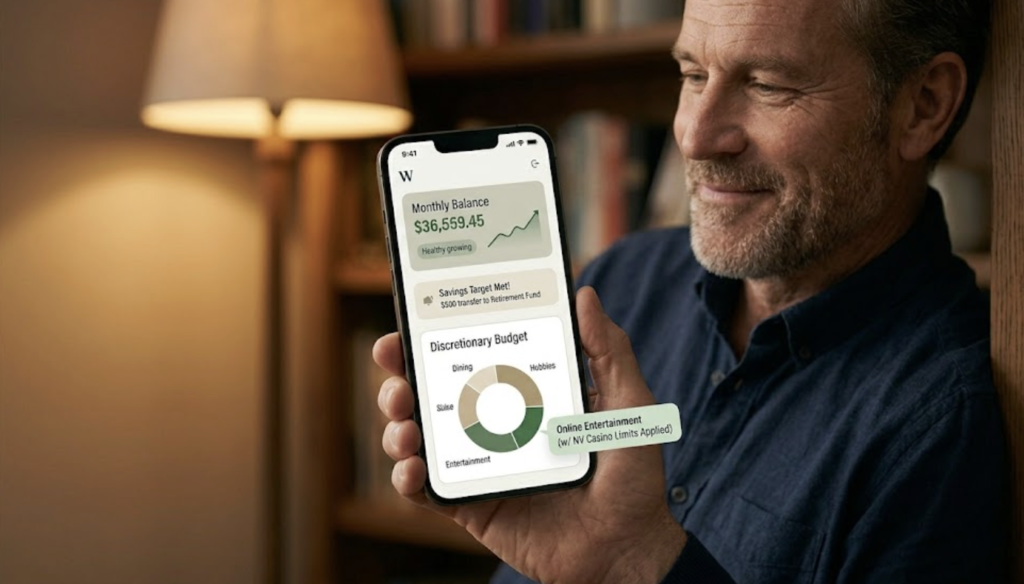
Digital entertainment and online gaming can require a different approach. Many modern platforms now provide budgeting tools designed to help users stay within their planned spending limits. Features such as deposit limits, session reminders, and self-exclusion options allow individuals to establish boundaries before spending occurs.

For example, platforms such as NV Casino provide responsible gaming tools that help users set predefined limits and maintain greater control over entertainment spending. When used correctly, these tools can support healthier financial habits while preserving the enjoyment of the activity.


How Much Discretionary Spending Is Reasonable?

There is no single percentage that works for everyone. Financial priorities, income levels, and savings goals vary significantly from one household to another.

However, many personal finance experts recommend allocating approximately 10% to 20% of take-home income to discretionary spending while ensuring that savings targets remain on track.

Current Savings RateSuggested Discretionary Spending
Under 5%8–10% of take-home income
5–10%10–15% of take-home income
10–20%15–20% of take-home income
Above 20%Up to 25% of take-home income

These figures should be viewed as general guidelines rather than strict rules. The most important measure is whether discretionary spending consistently allows room for regular savings contributions.

Practical Strategies for Staying on Track

Managing discretionary spending does not require complicated budgeting systems. A few simple practices can make a significant difference over time.

Set Category-Based Limits

Rather than creating a single entertainment budget, separate spending into categories such as dining, hobbies, subscriptions, and recreational activities. Smaller category limits are often easier to maintain.

Review Spending Weekly

Monthly reviews can identify problems after they occur. Weekly check-ins allow for adjustments before spending exceeds planned limits.

Automate Savings First

Allocating money to savings before discretionary spending begins reduces the temptation to spend funds originally intended for financial goals.

Use Available Spending Controls

Many financial and entertainment platforms offer tools that support spending management. Budget alerts, transaction notifications, deposit limits, and spending summaries can provide additional accountability.


Building a Sustainable Financial Balance

Financial success is not achieved by removing every enjoyable activity from a budget. Instead, it comes from making intentional decisions about where money is spent.

When discretionary spending is planned, monitored, and aligned with personal priorities, it becomes possible to enjoy hobbies, entertainment, and leisure activities while continuing to build savings over time.

A balanced approach allows both goals to coexist: enjoying the present without sacrificing future financial security and family legacy.

How to Build a Spending Plan You Will Not Quit by February

How to Build a Spending Plan You Will Not Quit by February

Most people do not blow their budget on one big purchase. They blow it on forty small ones they never wrote down. The car payment shows up on the statement, predictable as Monday. The fun stuff sneaks in five and ten dollars at a time, and by month’s end the math does not add up. This piece walks through a spending plan you can actually keep: where to look first, how to split the money, and the one small habit that stops the whole thing from quietly falling apart.


Why Most Budgets Break Before Spring

A budget that does not survive month two is not a budget. It is a wish you wrote down in January.

Three things usually kill it. The categories are too vague, so “fun” becomes a black hole nobody can explain. The numbers are too optimistic, set on a calm Sunday by a version of you who forgot that birthdays, car repairs, and bad weeks exist. And there is no review point, so the first overspend feels like total failure instead of a normal Tuesday. The New York Times often highlights how these small tracking failures derail even the best intentions.

Notice that none of those problems are about discipline. They are about design. A plan built on willpower asks you to be your best self every single day, which is a losing bet for anyone who has ever met a human being. A plan built on clear lines and a quick weekly check asks far less of you, and that is exactly why it lasts. To better understand how our psychology affects these choices, you can listen to the podcast with Daniel Crosby on overcoming financial biases.

The Small Purchases Trap diagram

Where Does Your Money Actually Go?

Before you cap anything, you have to see it. Most people can name their rent and their car payment in a heartbeat, then go fuzzy on everything else. That fuzzy part is where the leaks live, so it deserves a real list.

Here are the discretionary categories that tend to absorb the most cash without anyone noticing:

  • Eating out and food delivery
  • Streaming services and digital subscriptions
  • Hobbies with recurring costs, from gym add-ons to gear upgrades
  • Concerts, sports, and weekend trips
  • Online gaming and casino sessions
  • Gifts and social spending, like rounds of drinks and group dinners
  • One-off splurges, the “for fun” gadget or course

The order of size differs from one household to the next. Yours might be dinners out; your neighbour’s might be subscriptions they forgot they had. The only way to know is to track one ordinary week and add it up. People are routinely surprised, and the surprise is the point.

Where Online Entertainment Fits in the Line Item

Online entertainment is the easiest part of the budget to underestimate. There is no physical receipt, no waiter clearing the table, no parking meter to remind you that real money is moving.

Subscriptions renew quietly. In-app purchases are one tap. A gaming session that was meant to last forty minutes can drift into two hours without any obvious signal to stop.

The fix is not willpower. The fix is to push the limit out of your head and into the tool itself. Pre-set caps work because they make “stop now” the default, not the decision you have to make at the wrong moment.

If your entertainment line includes online gaming, NV Casino gives you deposit caps and session reminders that keep the monthly number predictable. The cap is set once, on a calm afternoon, and it does the policing for you the rest of the month. That trick beats any willpower trick I have tried, and it works for streaming spend too once you set the same limits inside the app store.

We tested the NV deposit-cap tool against a manual sticky-note system over a single month, and the gap was not close. The Casino account knew the rule. The sticky note did not.


The 50/30/20 Split and Where It Bends

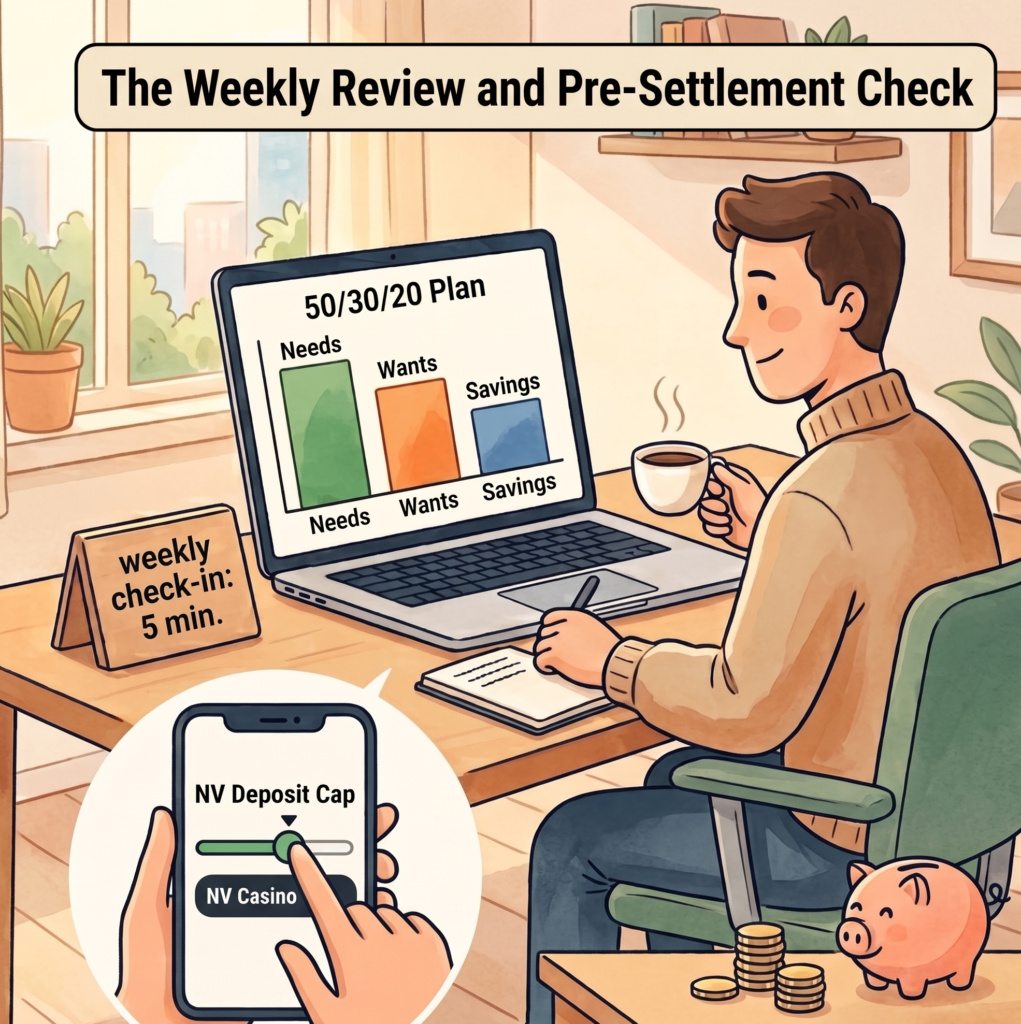
A clean starting frame is the 50/30/20 split: roughly half of take-home pay to needs, thirty percent to wants, twenty percent to savings and debt. It is popular because it is simple, and simple plans get followed.

It bends, though, depending on your life. High rent in a big city eats into the needs half fast. A serious savings goal, like a down payment, can push the savings slice higher and squeeze the wants. Treat the percentages as a conversation starter, not a rulebook handed down from on high. On a macro level, governments face similar structural pressures; as discussed by The Economist, chasing the wealthy rarely fixes a fundamentally broken broader budget.

The useful move is to name the split you are actually using, then check it against where the money went last month. If reality and the plan disagree by a wide margin, the plan loses. Adjust the numbers to fit your life rather than pretending your life will fit the numbers.

How Much Should You Spend on Fun Each Month?

Here is the question that trips people up. They either set the fun number so low it breaks within weeks, or they leave it undefined and let it eat the savings line. A working answer for most Canadian households sits between three and seven percent of monthly take-home pay, with savings health as the anchor. For those looking for practical retirement and savings advice tailored for regular Canadians, the podcast with Robb Engen offers great insight into managing these allocations.

Monthly take-home (CAD)Lean cap (3%)Comfortable cap (5%)Upper cap (7%)
C$3,000C$90C$150C$210
C$4,500C$135C$225C$315
C$6,000C$180C$300C$420
C$8,000C$240C$400C$560

These are starting points, not gospel. A hard weekly sub-cap inside the monthly number tends to work better than one big monthly figure, because a single large total quietly invites a single large weekend. Splitting C$300 into roughly C$75 a week keeps the pace honest and gives you four small checkpoints instead of one anxious reckoning at the end. These personal choices are also heavily influenced by the broader economic climate, which is detailed in the podcast with Benjamin Tal on the state of Canada’s economy and housing market in 2026.

Weekly budget check-in and 50/30/20 plan infographic

The Habit That Locks It In

The plan is not the hard part. The five-minute weekly check is.

Once a week, sit down with a coffee and look at three things: what you spent, what is left, and whether any category is running hot. That is it. One quiet review beats one panicked statement-scroll on the thirtieth every time. Name your sub-lines, pick a starting split you can defend, set a recurring reminder, and let the habit do the work your willpower was never built to do.

Feel Confident About Your Finances
Sign up for our weekly newsletter to get notified of the new videos and podcasts released over the past seven days.
Feel Confident About Your Finances
Sign up for our weekly newsletter to get notified of the new videos and podcasts released over the past seven days.