

Enjoying Discretionary Spending Without Compromising Your Savings Goals
Saving money is often associated with cutting back and saying no to enjoyable experiences. In reality, long-term financial success is rarely determined by a single large purchase. More often, it is shaped by everyday spending habits that gradually influence how much money remains available for savings.
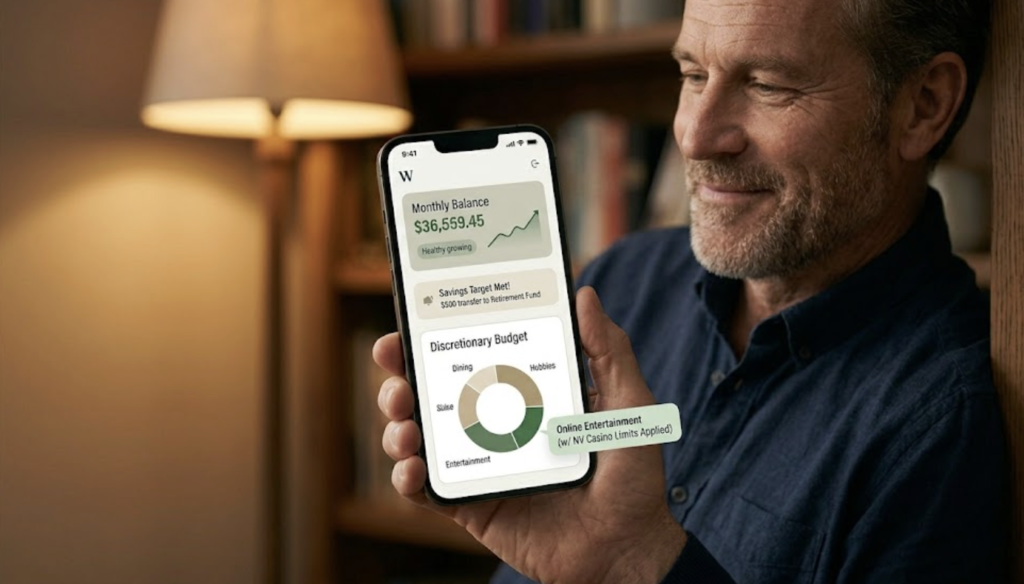
Discretionary spending plays an important role in maintaining a balanced lifestyle. Whether it involves dining out, entertainment, hobbies, subscriptions, or recreational activities, spending on personal interests can improve well-being and make financial plans easier to sustain. The challenge lies in ensuring these expenses support, rather than undermine, long-term financial goals.

Understanding the Impact of Discretionary Spending
Unlike fixed expenses such as rent, mortgage payments, insurance, or utilities, discretionary purchases are flexible and often spontaneous. Because individual transactions tend to be relatively small, they frequently go unnoticed within a monthly budget.
However, small expenses can accumulate quickly. A few streaming subscriptions, several restaurant meals, and occasional impulse purchases may seem insignificant on their own, yet together they can represent hundreds of dollars each month.
This does not mean discretionary spending should be eliminated. Instead, it should be managed intentionally. Understanding where money goes is often the first step toward maintaining a healthy balance between enjoying the present and preparing for the future.
Common Categories That Affect Savings
Every household has different priorities, but certain categories consistently account for a large share of discretionary spending.
These often include:
- Dining out and food delivery services
- Streaming platforms and digital subscriptions
- Hobbies and recreational activities
- Concerts, sporting events, and travel
- Online gaming and entertainment
- Gifts, celebrations, and social spending
A simple spending review can provide valuable insights. Tracking discretionary purchases for just one week often reveals patterns that may otherwise go unnoticed.
Choosing Activities With Built-In Spending Controls
One of the easiest ways to manage discretionary spending is to participate in activities that have clear and predictable costs.
Examples include:
- Fitness memberships
- Music or language lessons
- Organized sports leagues
- Community classes
- Outdoor recreational activities
These activities naturally create spending boundaries because costs are known in advance.
Digital entertainment and online gaming can require a different approach. Many modern platforms now provide budgeting tools designed to help users stay within their planned spending limits. Features such as deposit limits, session reminders, and self-exclusion options allow individuals to establish boundaries before spending occurs.
For example, platforms such as NV Casino provide responsible gaming tools that help users set predefined limits and maintain greater control over entertainment spending. When used correctly, these tools can support healthier financial habits while preserving the enjoyment of the activity.
How Much Discretionary Spending Is Reasonable?
There is no single percentage that works for everyone. Financial priorities, income levels, and savings goals vary significantly from one household to another.
However, many personal finance experts recommend allocating approximately 10% to 20% of take-home income to discretionary spending while ensuring that savings targets remain on track.
| Current Savings Rate | Suggested Discretionary Spending |
| Under 5% | 8–10% of take-home income |
| 5–10% | 10–15% of take-home income |
| 10–20% | 15–20% of take-home income |
| Above 20% | Up to 25% of take-home income |
These figures should be viewed as general guidelines rather than strict rules. The most important measure is whether discretionary spending consistently allows room for regular savings contributions.
Practical Strategies for Staying on Track
Managing discretionary spending does not require complicated budgeting systems. A few simple practices can make a significant difference over time.
Set Category-Based Limits
Rather than creating a single entertainment budget, separate spending into categories such as dining, hobbies, subscriptions, and recreational activities. Smaller category limits are often easier to maintain.
Review Spending Weekly
Monthly reviews can identify problems after they occur. Weekly check-ins allow for adjustments before spending exceeds planned limits.
Automate Savings First
Allocating money to savings before discretionary spending begins reduces the temptation to spend funds originally intended for financial goals.
Use Available Spending Controls
Many financial and entertainment platforms offer tools that support spending management. Budget alerts, transaction notifications, deposit limits, and spending summaries can provide additional accountability.
Building a Sustainable Financial Balance
Financial success is not achieved by removing every enjoyable activity from a budget. Instead, it comes from making intentional decisions about where money is spent.
When discretionary spending is planned, monitored, and aligned with personal priorities, it becomes possible to enjoy hobbies, entertainment, and leisure activities while continuing to build savings over time.
A balanced approach allows both goals to coexist: enjoying the present without sacrificing future financial security and family legacy.

 The Fully Updated "The Wealthy Barber" Is Available Now!